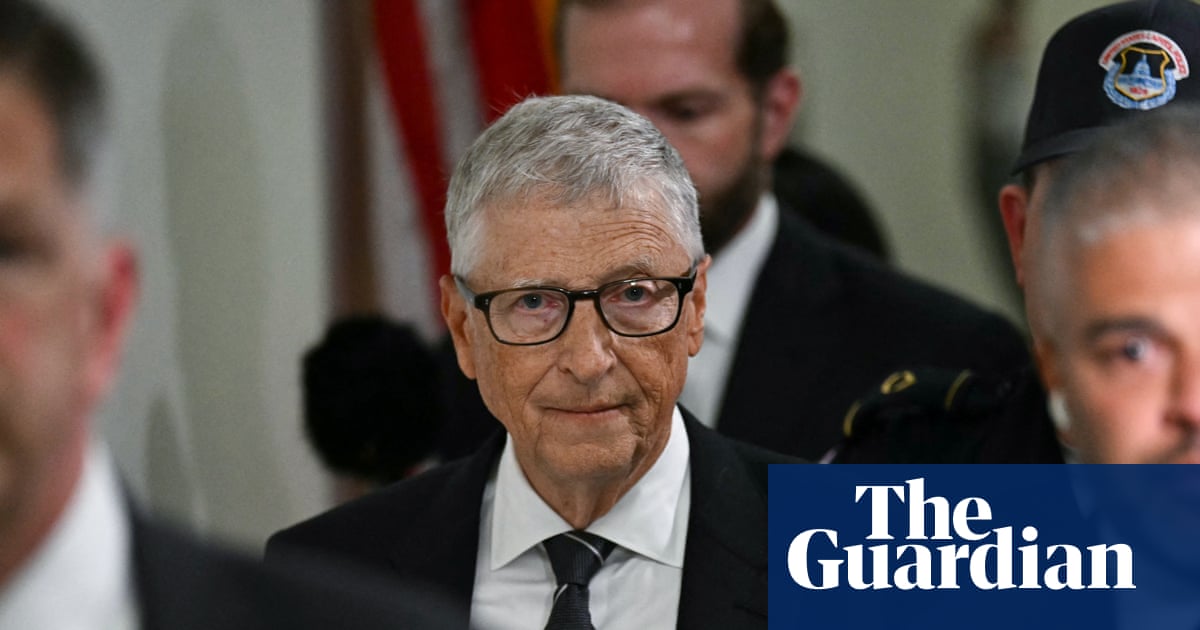
When One Person Has Global Influence
Few people in the modern world have as much influence across technology, global health, agriculture, and climate initiatives as Bill Gates.
To supporters, he is a philanthropist using his wealth to tackle some of humanity’s biggest problems.
To critics, he is an unelected billionaire whose influence has grown far beyond what any single individual should have.
Where does the truth lie?
Let’s look at some of the most discussed topics.
Global Vaccination
Through the Bill & Melinda Gates Foundation, billions of dollars have gone toward vaccine research, manufacturing, and global immunization programs.
Critics question whether private foundations should wield so much influence over global public health priorities and whether sufficient transparency exists when public agencies, nonprofits, and private organizations work together. Few seem to question or highlight what he has said or done. Meaning, making hundreds of millions of dollars off of vaccines. How can people not question the conflict of interest? Also, Bill said himself in his TedTalk that with good vaccines, we can reduce the world’s population by at least 10 percent.


Alternative Proteins
Bill Gates has invested in companies developing plant-based meat alternatives and has publicly argued that reducing emissions from livestock could play a role in addressing climate change.
Supporters view these investments as innovation.
Critics worry about the future of traditional agriculture and question whether large investors could reshape food systems in ways that reduce consumer choice. Isn’t it interesting that the same man who bought more farmland than any other in the US, has alleged interest in creating ticks that give people a meat allergy, also has major investments in fake meat?

Farmland Ownership
Investment entities associated with Bill Gates have accumulated significant farmland holdings in the United States.
Some view farmland as a sensible long-term investment.
Others ask whether increasing ownership of agricultural land by a small number of wealthy investors could have long-term implications for food production, land values, and local communities.
Mosquito Research in Colombia
The Gates Foundation has funded mosquito-control research, including support for the World Mosquito Program.
One well-known facility in Medellín, Colombia, breeds mosquitoes carrying Wolbachia, a naturally occurring bacterium intended to reduce the spread of diseases such as dengue, Zika, and chikungunya.
Supporters point to studies suggesting this approach can reduce disease transmission.
Critics question the long-term ecological effects and whether communities should have a greater voice before such programs are implemented.
Critics also find it convenient that Gates has major investments in vaccines for the above-mentioned diseases. Create the problem and the solution, comes to mind.
Sources:

Genetically Modified Mosquitoes in Florida
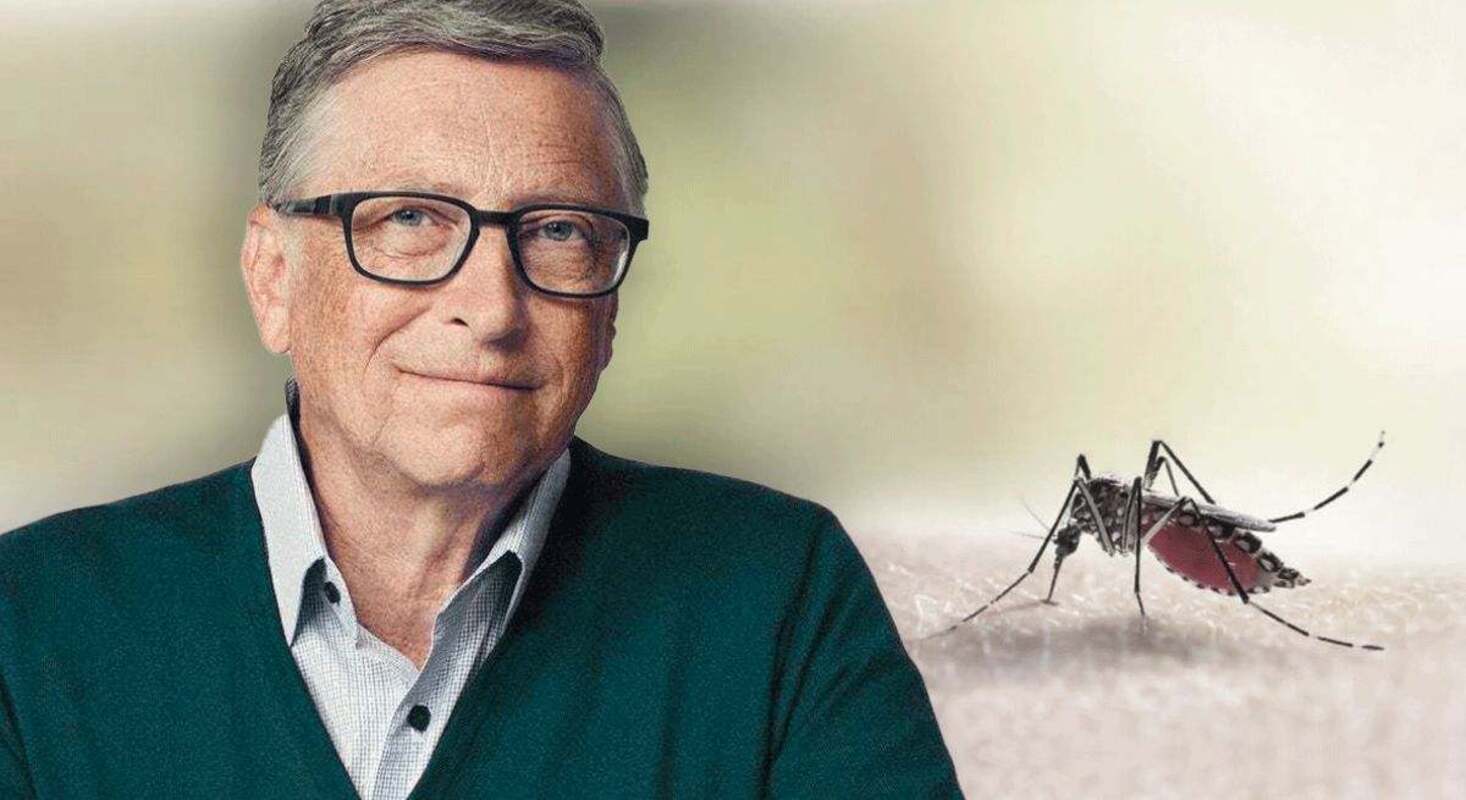
Another topic that generated significant public debate was the release of genetically modified Aedes aegypti mosquitoes in the Florida Keys.
The biotechnology company Oxitec received grants from the Bill & Melinda Gates Foundation during development of this technology. In 2021, approximately 150,000 genetically modified mosquitoes were released as part of an EPA-approved pilot project designed to suppress populations of mosquitoes that spread diseases such as dengue and Zika.
Supporters viewed the project as a potential public-health tool.
Critics questioned the environmental risks, transparency of the approval process, and whether unforeseen consequences could arise from releasing genetically modified insects into the wild.
Source:
Malaria and Global Health
The Gates Foundation has invested heavily in malaria research, including vaccines, medicines, diagnostics, and mosquito-control efforts.
Supporters see this as one of the world’s largest philanthropic efforts against a disease that kills hundreds of thousands of people each year.
Critics argue that large private donors can significantly influence which health strategies receive funding and attention.
Tick Research
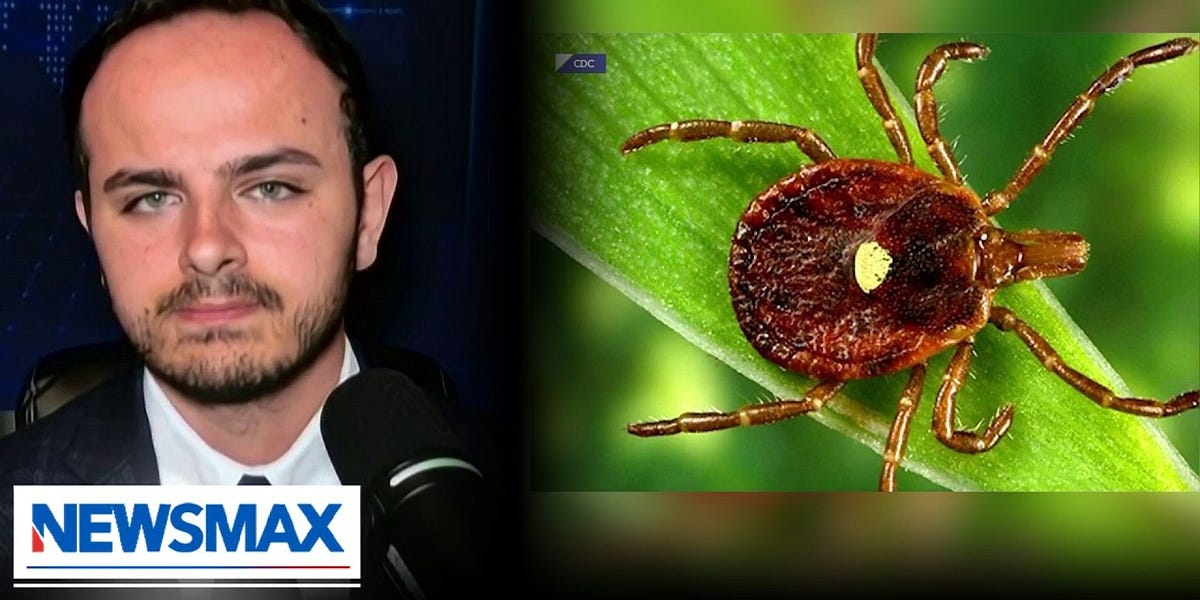
The Gates Foundation has also funded research into controlling livestock ticks that affect cattle and agriculture.
Some online discussions have gone much further, alleging that this research involved creating or releasing disease-carrying ticks. Publicly available evidence documents funding for research into tick-control technologies.
The broader debate centers on whether emerging genetic technologies should be used to control insects and other pests, and what safeguards should exist before such approaches are deployed. Furthermore, what potential biological, environmental, and physical fallout can occur from such behavior?

Blocking the Sun?
One of the most controversial areas associated with Bill Gates is his support for research into solar geoengineering—the idea of reflecting a small fraction of sunlight back into space to reduce global temperatures.
Critics worry about unintended environmental consequences, who would control such technology, and whether researching it could reduce the urgency of cutting greenhouse gas emissions.
Even the idea of intentionally altering the Earth’s climate raises difficult ethical and political questions that continue to be debated by scientists and policymakers. Should billionaires and politicians play God? What can possibly go wrong? Can you sense the sarcasm in that question?


The Bigger Question
How much influence should any single private individual have over public health, agriculture, climate research, and emerging technologies?
That question extends beyond one person. It applies to every billionaire, corporation, government, and institution that shapes decisions affecting billions of people.
Healthy skepticism is valuable—but so is carefully examining evidence before reaching conclusions.
Personally, I think he is a satanic elitist who view us as nothing more than cattle that needs to be destroyed. Yet, he is dining in the Whitehouse with our orange president.
Question of the Week
Should billionaires have a major role in shaping global public policy through philanthropy and private investment, or should those decisions rest primarily with democratically accountable institutions?
– The Wellness of Men Team
Below are just a few videos to keep you openminded as to what our overlords want.